Specialized Support with Trauma-Informed Care
Confidential, understanding support for first responders, military/veterans and public safety personnel — from early intervention through recovery from psychotraumatic injury.
Working with first responders, military/veterans and public safety personnel has become a deeply meaningful part of my practice. I have tremendous respect for those who dedicate their careers to keeping others safe, often facing difficult, unpredictable, and traumatic situations while making significant personal sacrifices along the way.
I believe that those who spend their careers protecting others should not have to sacrifice their own well-being in the process.
First responder culture often places a strong value on strength, resilience, and self-sacrifice. For many, asking for help can feel difficult or even carry a sense of stigma. I want to help change that. Seeking support is not a weakness — it is an important part of taking care of yourself, your family, and the people who depend on you.
I believe you should not have to carry this burden alone.
Trauma can affect more than the moment it happened. It can shape how we feel, respond to stress, connect with others, and experience ourselves.
Trauma-informed therapy recognizes these impacts and creates a space built on safety, trust, choice, and compassion. We work together at a pace that feels manageable, without pressure to revisit painful experiences before you’re ready.
Therapy focuses on understanding how past experiences may be affecting you today, while building tools for greater calm, confidence, connection, and resilience. The goal is to help you feel more grounded in the present and more empowered moving forward.
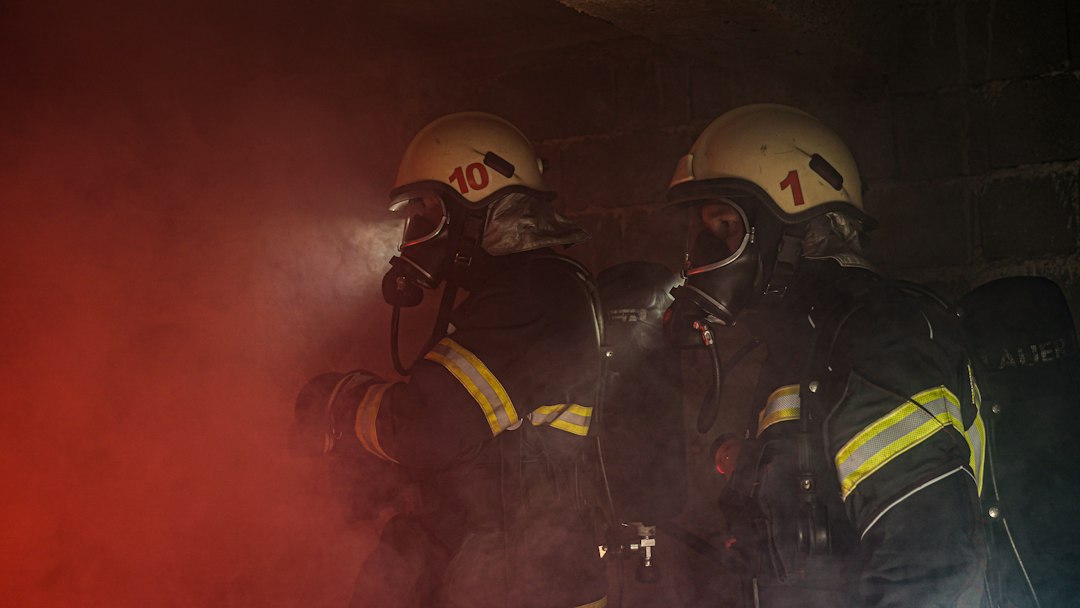
First responders deserve someone outside of their workplace who can provide a neutral, confidential perspective while taking time to understand the realities of the job.
Chelsea’s participation in ride-alongs with various police services has helped deepen her understanding of police culture, the demands of the job and the pressures that can follow someone home.
Chelsea has extensive experience supporting people who are off work with workplace mental health injuries through WSIB claims and understands how injury can affect work, relationships, family life, identity and confidence.
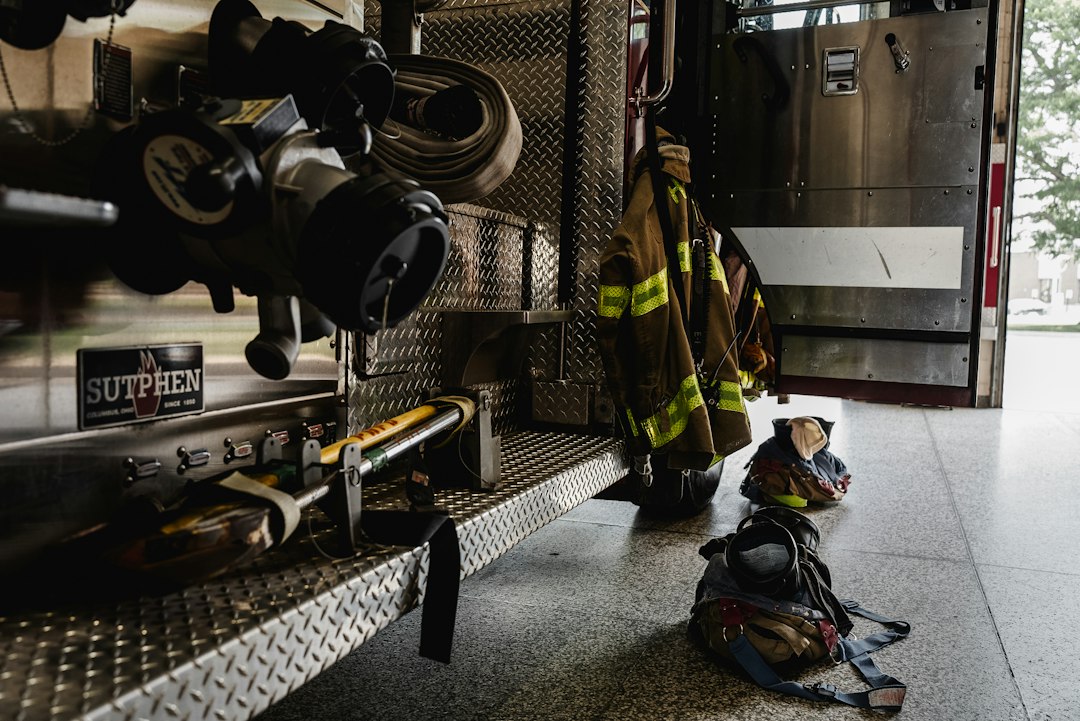
My focus is not only on helping those already injured and unable to work. I am passionate about early intervention.
I want first responders to have somewhere to turn when they first notice that something is changing — before stress and trauma become overwhelming, before relationships begin to suffer, and before a mental health injury takes them away from the work and life that matter to them.
It is important to recognize that when a someone is struggling, the impact can be felt throughout the family. The cold truth is there are some things you just can’t bring home or talk about, even with those you love most. Supporting the individual while understanding the needs of those closest to them is an important part of my work.
You spend your career being there for other people. I believe you deserve to have someone be there for you. Learning to be ok with being the one in need of help is difficult and uncomfortable, and something I understand well.
It is a privilege to support those who dedicate their lives to supporting and serving others. My goal is to provide a safe, understanding, and confidential space where first responders can seek support without judgment — and, ideally, before they reach the point of needing to step away from the work they value.
Whether it is the impact of a difficult call, the cumulative effects of years on the job, changes at home, or simply the feeling that you are no longer quite yourself, you don’t have to wait until things become unmanageable to ask for help.
